Facts: Diagnosed on April 7, 2022 Age: 37 Family history: none Type of breast cancer: Triple Negative, Stage 2 Immunotherapy: 7 of 9 rounds of Keytruda (too weak to complete) Chemotherapy: 14 of 16 rounds (too weak to complete) Hyperbaric treatment: 30 rounds (due to nipple necrosis) Surgery: Bilateral mastectomy with reconstruction Side effects: Nausea, vomiting, ulcers, weakness Result of side effects: GI tube placement Gene disorder: BRCA 2 (gene testing) Surgery: Preventative hysterectomy
Pros: Self-exam discovered a lump; later nipple discharge Persistent follow up with mammogram, ultrasound, biopsy Great insurance Great doctors, nurses Great family and friends support
Cons: Shock, fear, life changing news Dr said, “You aren’t 40 yet, you don’t need to worry about breast cancer.” Under 40 Vomiting Loss of weight GI tube Ulcers Weakness (wheelchair bound during this phase) Unknown factors (what does a diagnosis of cancer bring to you)
Cancer does not know your age
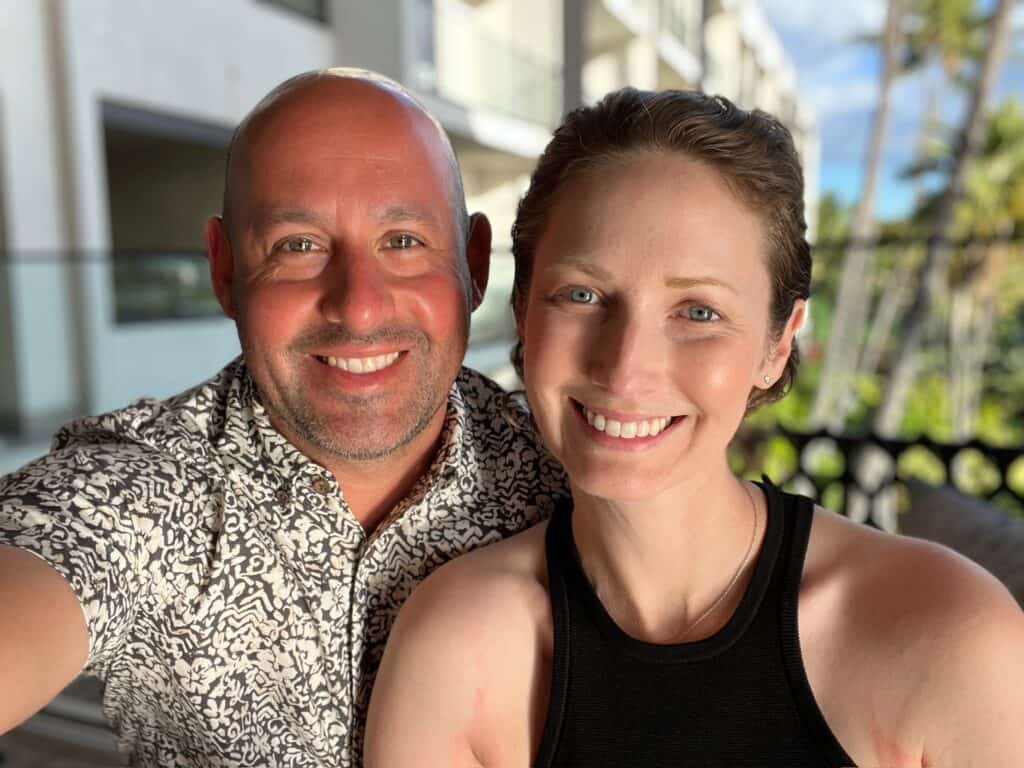
In 2021 after Lauren found a lump in her breast followed with eventual nipple discharge, she went to her doctor and found she had a normal mammogram, normal ultrasound, and even with follow ups with these tests showing normal results. During this four-month period, Lauren and Chris knew something wasn’t right. With Lauren’s persistence she insisted on further testing with a biopsy. This was after she was told, by a doctor, she was “too young” to have breast cancer. The biopsy confirmed her suspicion that she had breast cancer. She was right! She found out she had Stage 2 Triple Negative breast cancer which launced her into her cancer journey.
The year 2022 was supposed to be a year of celebration for Lauren and Chris....milestones of their 10-year wedding anniversary, Chris' 40th birthday and their newly remodeled home along with visiting their favorite "go to" relaxing place, Maui.
“I was raised in a family that accepted challenges and along with being in the military I learned that giving back, fighting for what’s right and not giving up was how we were going to get through this. Were we in shock and scared, yes, but we weren’t mad or sad, just that we had a fight on our hands and no money or time would deter our focus on conquering this through our optimism,” shared Chris.
As the caretaker of someone going through breast cancer one takes on a different role than the patient. It is not always the easiest role to manage. Loving someone prior to any true health challenge takes on a new meaning and puts you to the test of what that commitment is to that person crossing over to a health diagnosis.
Some marriages are challenged by a cancer diagnosis, some end in divorce or are changed forever in a way that is unexpected. Chris, being the co-survivor had a different role to play in their cancer story. For him it only made his love for Lauren even stronger. To see Lauren go through the challenges and struggles of cancer were heart wrenching and painful. Both knew their marriage commitment would withstand this battle no matter what it brought.
Lauren had her own thoughts, “Initially we cried and hugged each other, Chris called our family and friends to give the news in hopes of finding support, comfort, and advice on our next steps. All I could think was people die from this and I’m not going to make it to Christmas. I was only 37! I needed to live; to live for myself, for Chris, for my family and friends. Chris was my biggest source of encouragement. We have plans to grow old together and we were not going to let cancer get in the way of that,” said Lauren.
“Before breast cancer (bc) we never thought about a serious health diagnosis, we have a large family and many friends whom we spent time with and shared wonderful memories. But we were too young to worry about anything beyond enjoying our lives,” Chris and Lauren said together.
Leaning on the doctors and cancer team to do their magic and move Lauren through her bc journey became their focus. Trying to maintain a sense of normalcy by continuing to work became a challenge for both Chris and Lauren.
“My company was wonderful, but I realized my self-care was important and I had to move my energy to overcoming the many ups and downs in this journey,” said Lauren. Chris supported Lauren by attending appointments with her, caretaking her medical needs, balancing work and family needs. This all jumped to the top of the priority list for him.
Their daily routine quickly changed to treatment plans, scans, surgeries, and doctor appointments. Normal conversations went from planning family events and vacations to talking to those who have walked in their steps and hoping to find comfort in their knowledge.
Questions ran through their minds…with so much technological advancements in medicine why were so many institutions focused on the magical age of 40 for mammograms? Gene testing is still not utilized as a normal routine testing for women getting mammograms. Lauren had gene testing to find out she is a BRCA 2 carrier.
“If we knew that Lauren was going to develop breast cancer years ago, we could have taken the necessary steps to get ahead of the breast cancer diagnosis…..vs Lauren having to be her own advocate and fight to get the scans, tests, and treatment she needed,” shared Chris.
We are learning that many women are being diagnosed with breast cancer under the age of 40. Yet many national organization guidelines, including American Cancer Society, suggest starting annual mammograms at this age, 40.
American Cancer Society Recommendations for the Early Detection of Breast Cancer
Lauren’s cancer journey was one tough battle. It included chemotherapy, immunotherapy, bilateral mastectomy, breast reconstruction, a GI tube, many days of sickness due to her lack of strength and ability to keep food down, time in a wheelchair, a hysterectomy….all of which threw her in to menopause in a very short period of time which normally occurs over a 10-year period….all before she was 40!
Fast forward (and no disrespect to the process in getting there) Lauren and Chris have pure gratitude to the doctors, the medicine and research, the nurses, their family and friends all who supported and contributed to Lauren’s cure.
Celebrating………. In October, Lauren gathered her friends and family to support her participation in the American Cancer Society Breast Cancer walk. The year before Lauren was in a wheelchair and unable to participate, this year she walked, and she raised over $10,000 to provide support and hope to others.
Redefining how Lauren was going to live her life as a cancer survivor and Chris as a co-survivor became their focus.
Being on the other side of their cancer journey; helping others as they begin their cancer story is part of what Lauren and Chris want to do to pay it forward. Not a day goes by where they don’t think back to the struggles and the unknown, but the feelings of pure pride, joy, happiness, and love move past the hard parts. Sharing their story in a blog has allowed them to inform their family and friends and hopefully educate those who may be newly diagnosed. They call it:
The Lessons We Learned as Husband and Wife.
Blogging became a therapeutic outlet for both, they wanted to share a step-by-step process through their cancer journey, turning it into a book someday. Lauren’s words of wisdom include, “It’s going to be okay; you don’t know everyone’s outcome, tomorrow is not guaranteed. Don’t try and control it, have trust and faith in those around you…family, friends, and medical staff.”
Through the blog posts, they have engaged with others on their cancer journey and continue to focus on making a difference on their progress. “If we can help one person, we have made a difference,” shared Chris. New normal post cancer diagnosis
Some days it hits Lauren hard and everything that has happened to her catches up to her and she must take a minute to talk it out, cry it out or write about it. For Lauren the old “me” is gone, it has all changed. It is the fear that comes, the anger, and the crying goes on and on, but she continues to find something that brings it back to a place of optimism, a silver lining that helps her to keep moving forward.
“Life is getting back to ‘normal’ or the ‘new normal. This includes constantly seeing doctors, scans, blood work, etc. but we are okay with it, as long as the news is good, and it has been. I am stronger than I ever thought I would be and much braver than I ever wished to be…my husband, family and friends were right beside me the entire way. I’m finally able to think about the things I miss and grieve the loss of the things I know will never come back or won’t come back in the same way. I hate the grief, but it helps with the growth, so I take it in stride.” reflects Lauren.
November marked a few milestones for Lauren and Chris…they celebrated their 11-year wedding anniversary, one year from Lauren’s bilateral mastectomy and ONE YEAR BEING CANCER FREE!A perfect month to celebrate the many things to be “thankful” for on their journey.
Lauren and Chris smiled and passed a look to each other that only their bond and love story understands, sharing that they are “dedicated to each other, that patience truly is a virtue, that acceptance is imperative to keep moving forward, that pride goes beyond the things you own, and that appreciation is the greatest gift when it comes to the life you get to live as a husband and wife.
You can read more about Lauren and Chris' story in their blog here:
Lauren and Chris Yerkes cancer journey blog
|